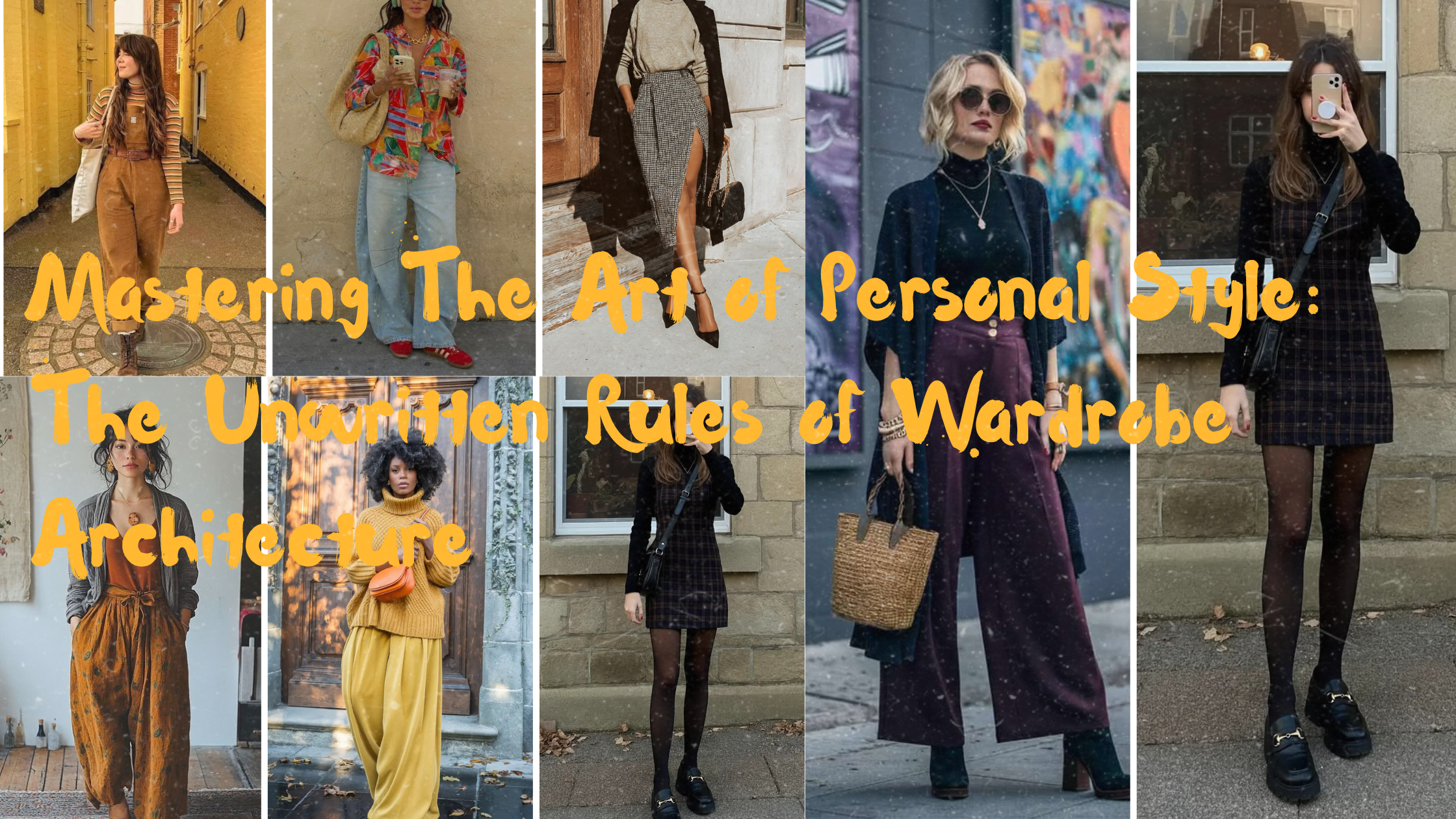
Mastering the Art of Personal Style: The Unwritten Rules of Wardrobe Architecture
The Myth of the Trend Cycle: Why You Can't Buy Style
Every season, the fashion industry hands you a new identity, and charges you for the privilege. The result? Closets stuffed with impulse purchases, yet that familiar morning frustration of having nothing to wear. The truth is uncomfortable: fashion and style are not the same thing, and confusing the two is the most expensive mistake you'll ever make.

Fashion is all about industry and hype—it’s turbocharged by urgency and what’s “new.” Style is personal. It grows slowly, deliberately, and it’s yours alone.
"Don't be into trends. Don't make fashion own you, but you decide what you are, what you want to express by the way you dress and the way you live." - Gianni Versace
The haul culture that dominates social media accelerates this confusion. Trend-chasing fills your wardrobe with pieces that have zero relationship to each other - or to you. Knowing how to dress for your body type or finding genuine street style inspiration means nothing if you're shopping reactively rather than strategically.
Notably, 47% of Gen Z consumers say they're more likely to buy from brands that support individual expression - yet the trend cycle actively works against that individuality. The shift that changes everything is moving from consumer to curator. Curators don't collect everything; they select deliberately. That psychological reframe is where real personal style begins and it starts with three words
The Three-Word Method: Defining Your Style Identity
So, if trend-chasing is a dead end, what comes next? The answer starts with three words.
Stylist Allison Bornstein developed the Three-Word Method as a deceptively simple framework for crystallizing personal style into something actionable. The premise is straightforward - choose three adjectives that define how you want to dress and use them as a filter for every single purchase decision going forward. According to Bornstein, this mental gatekeeper reduces impulse spending while building genuine wardrobe cohesion over time.
Choosing Your Three Words
Your three words should cover:
- Practical: How you live. Calm, functional, relaxed.
- Emotional: How clothes make you feel. Confident, powerful, soft.
- Aspirational: What you’re reaching for. Edgy, polished, elevated.
That mix gives you definition, not chaos. Take “Edgy, Oversized, Minimalist”—it sounds contradictory, but when you picture clean lines, volume, and dark hardware, it’s instantly recognizable as a signature look.
Using Your Words as a Gatekeeper
Before buying anything, ask: does this item satisfy at least two of my three words? If not, it goes back. This single question cuts through the noise of seasonal trends and sale-rack temptation with remarkable efficiency.
Your three words aren’t about who you are—they describe who you’re becoming.
Try This: Grab a notebook. List five words that describe your dream wardrobe, then five that describe how you want to feel each morning. Where they overlap, you'll find your three words.
Now, let’s talk about how those words play out on your actual frame.
Technical Styling: The Physics of Your Frame
Now that you have your three defining words, the next challenge is translating that identity into actual garments - and that requires understanding how clothing interacts with your physical frame. Style isn't just aesthetic; it's geometry.
Understanding Your Style Essence
Systems like Kibbe's Body Types and Kitchener's Style Essences offer a structured framework for moving beyond vague advice like "dress for your body type." According to Concept Wardrobe, identifying your Style Essence helps align clothing lines with your natural body geometry, shifting style from guesswork into a repeatable skill. These systems categorize people by the interplay of bone structure, flesh, and facial features - not just weight or height.
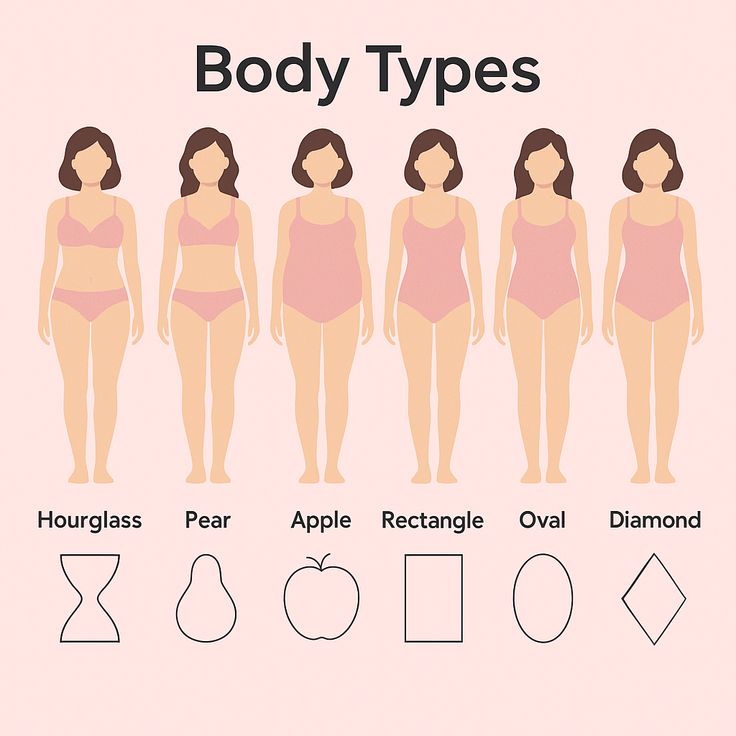
A simple find your style quiz based on these principles can reveal whether your natural lines are angular, curved, or a blend of both. That single insight changes everything about how garments should fit and flow.
The Science of Fabric and Silhouette
How a fabric drapes or holds structure totally shifts your look. A stiff cotton twill creates silhouette tension, holding a defined shape away from the body. Fluid silk jersey follows your contours. Even within a minimalist fashion style, these distinctions matter enormously: two white shirts can produce completely different visual results based solely on fabric weight.
The right fabric speaks the same language your body does. Once you get a feel for this, you’ll start making better choices about what really belongs in your closet.
Wardrobe Architecture: Building the Foundation
Understanding your body and your three words is just half the game. You need to know which pieces actually deserve a spot in your closet—the essentials versus the extras.
The Capsule Math
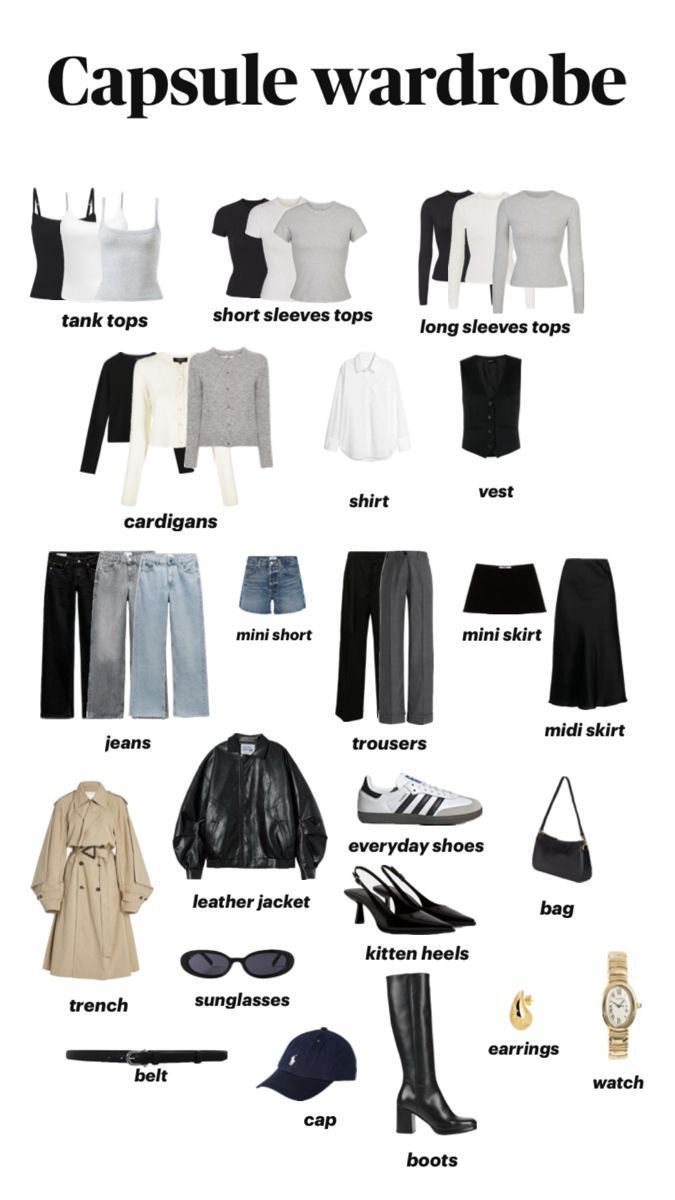
Here’s the deal: a capsule wardrobe with 10-15 solid basics can give you more than 50 outfit combinations. That kind of versatility only comes from intentional curation—not adding volume. The more clutter, the fewer wearable options (because trend pieces rarely mix well).
The best wardrobe isn’t the biggest. It’s the one where every piece earns its keep week after week.
Trend Piece vs. Foundation Piece
| Lifespan | Cost per wear | Outfit Compatibility | Resale Value | Style risk | |
| Trend Piece | 1-2 seasons | High | Limited | Depreciates Fast | Dates Quickly |
| Foundational Piece | 5-10 years | Very Low | Broad | Holds Value | Stays Relevant |
The table tells the story clearly. Investing in foundations is the lower-risk, higher-return move financially and stylistically.
The Essential 10 Checklist
- A well-fitted white or cream button-down
- Dark, straight-leg denim in a cut that flatters your frame
- A neutral blazer in camel, navy, or charcoal
- A quality crewneck or V-neck knit
- Black tailored trousers
- A classic trench coat or structured outerwear
- Two versatile T-shirts in your best neutral tone
- A simple midi or wrap dress (adaptable across occasions)
- Clean white or tan leather sneakers
- One heel or ankle boot that bridges casual and formal
Choose colors that match your skin undertones—warm (gold, peach) looks great with camel, rust, olive; cool tones (pink, blue) pop in navy, grey, crisp white.
Notably, 35% of Gen Z consumers now shop secondhand specifically to build a look that mass-market retail can't replicate - proof that uniqueness increasingly lives in how you build, not how much you spend.
Once this foundation is solid, the real nuance begins - and that's where the unwritten rules of authentic presence come into play.
The Unwritten Rules of Authentic Presence
The basics are set. Your silhouettes work. Now comes the piece that nobody can actually teach: the feeling of wearing something that’s 100% you.
Unwritten Rule #1: Perfection repels. Personality attracts.
According to the State of Fashion 2024 by McKinsey & Company, 90% of Gen Z shoppers say they're more likely to follow a creator who shows authentic or unfiltered personal style over curated perfection. The data confirms what most of us sense intuitively - people connect with realness, not a flawlessly staged aesthetic.
This is where the Wrong Shoe Theory becomes a practical tool. The concept is simple: one deliberately "off" element - chunky sneakers with a silk midi dress, beat-up loafers with tailored trousers - signals that you dressed for yourself, not for approval. It creates visual tension that reads as confidence.
Unwritten Rule #2: The "wrong" choice, made intentionally, is always the right one.
Dressing for yourself also means resisting external scripts. Whether it's social media trends or the
lingering pressure of the male gaze, style becomes hollow when it's performed rather than
expressed. As Rachel Zoe put it, "Style is a way to say who you are without having to speak."
This extends to technical choices, too. Selecting the best colors for my skin tone rather than chasing whatever shade is trending is a quiet act of self-knowledge - and that self-knowledge is what separates a wardrobe from a costume.
Unwritten Rule #3: Dress for the life you're actually living, not the one you're performing.
Your style isn't a finished product - and the next section explores exactly why that's worth celebrating.
Conclusion: Your Style is a Living Document
Personal style isn't a destination - it's an ongoing conversation between who you are and how you choose to show up. Throughout this guide, you've moved through the technical scaffolding of wardrobe architecture and the emotional intelligence required to wear clothing with genuine conviction. Both layers matter. Neither works without the other.
The most important takeaway is this: you don't need a complete overhaul to begin. Start small. Seek out one thrifted piece that genuinely excites you. Apply one new framework - your three style words, a revised silhouette, a more intentional color palette. Small shifts, made consistently, reshape everything.
For anyone exploring fashion tips for beginners, the temptation is to wait until you "figure it out" completely. Resist that. Style reveals itself through experimentation, not preparation.
Authentic personal style is never finished - it grows more articulate, more precise, and more effortlessly you with every intentional choice.
Ready to keep building a life that reflects who you truly are? Explore more lifestyle guides on Life in Bloom and continue the journey of intentional self-expression - one beautiful, considered choice at a time.

Reader Comments
Comments
Loading comments...
Leave a Comment